5 Surprisingly Healthy Swaps You Can Make at KFC

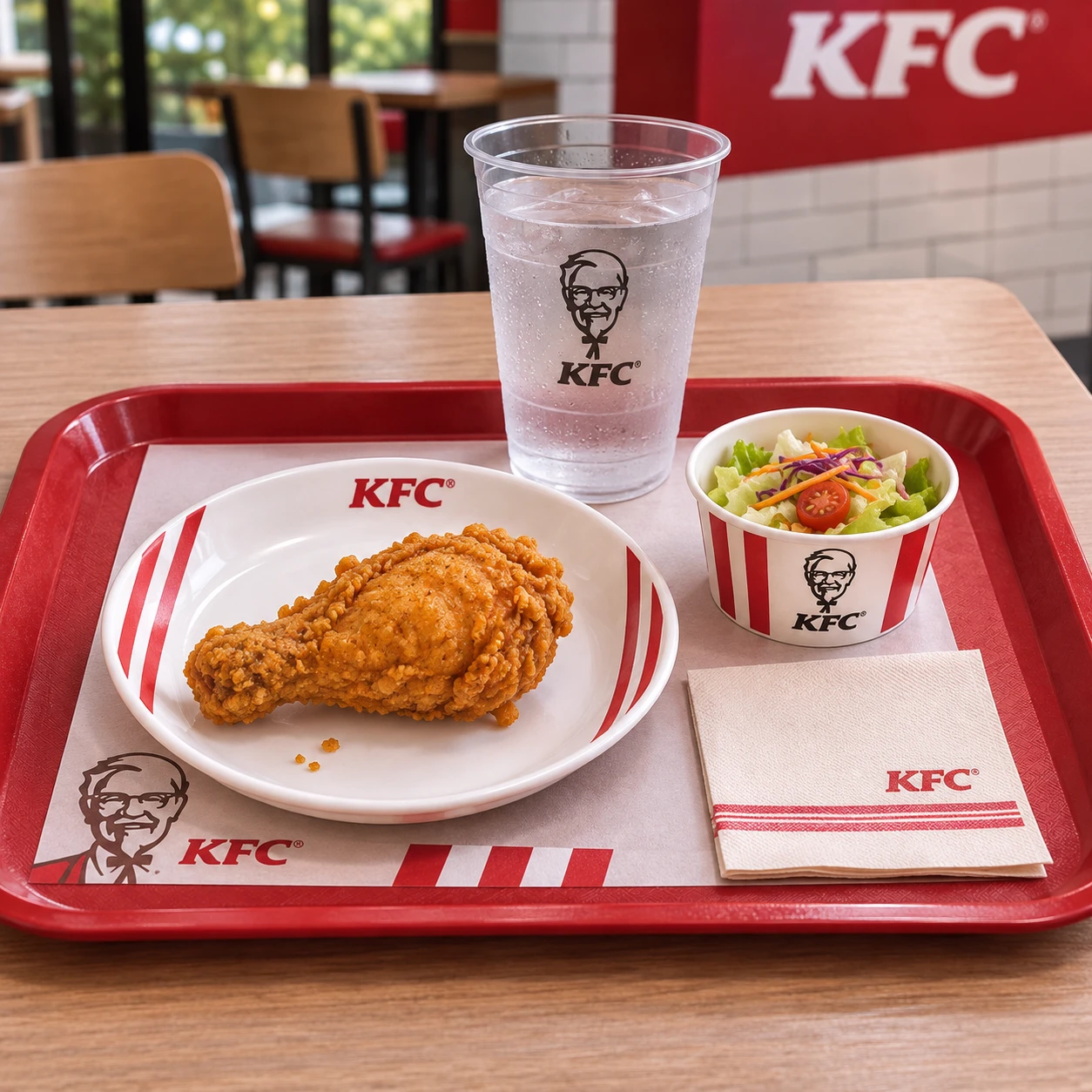
A KFC meal can be quick, filling, and flexible, even if you are trying to make choices that better suit your preferences. Small changes to the chicken portion, side dishes, drink, and extras can shape the whole order.
There is no single KFC order that is automatically healthy for everyone. Menu items and nutrition details vary by country and location, so use these five swaps as a practical starting point and check the current local menu when you order.
What “healthier” means when ordering at KFC
A healthier KFC order is one that better fits your individual needs, preferences, and portion goals. Look at the whole meal, including chicken, sides, sauces, and beverages, rather than judging it by one item alone.
For one person, that may mean a smaller portion of fried chicken; for another, it may mean choosing a drink without added sugar or checking for an ingredient that does not suit their dietary needs. The word “healthier” is comparative here, not a guarantee of a particular health outcome.
A useful way to assess an order is the whole-meal check:
- Portion: How much chicken and how many sides are you getting?
- Balance: Is there a vegetable-forward side available, or is the meal mainly chicken and rich sides?
- Extras: Would sauce, a sweetened drink, or an additional side add more than you want?
Use the nutrition information published for your local KFC to compare options. Recipes, serving sizes, and available items can change, so details from another country or an older menu may not apply to your order.
Swap a larger chicken portion for a smaller one
Choosing a smaller chicken portion can make a KFC meal easier to tailor to your appetite and goals. It also leaves more room to choose a side or drink deliberately instead of automatically adding a larger combo.
For example, consider a single piece of fried chicken or a smaller serving of chicken tenders instead of a multi-piece meal, if those options are available. A smaller portion does not change how the chicken is prepared, but it can reduce the amount of food in the order. The nutrition difference depends on the specific item, serving size, and local recipe.
Think about how hungry you are before adding more. If one chicken portion and a side feel satisfying, there may be no need for an extra piece, a second side, or a large drink. If you need a more substantial meal, compare the available combinations rather than assuming that the smallest order is always the right fit.
Simple swap: Choose a modest chicken serving, then decide whether you still want an additional side after seeing the portion. This keeps the order flexible without making the choice feel restrictive.
Choose a lighter chicken option when available
When available, compare chicken preparations and serving sizes before choosing. Fried chicken, grilled chicken, a chicken sandwich, and tenders can differ in ingredients and nutrition, but the menu is not the same at every KFC.
Some locations may offer grilled chicken, while others may not. If it is on the menu, compare its current nutrition information with the fried chicken choices. Grilled does not automatically mean lower in every nutrient or suitable for every diet; portion size, seasoning, skin, and accompanying sides still matter.
A sandwich can be convenient, but the bread, toppings, and sauces are part of the meal. Tenders are easy to portion, though dips can add extra ingredients and may affect the overall nutrition profile. Rather than relying on labels such as “grilled” or “light,” compare the items as sold at your local restaurant.
Ordering tip: If two chicken options appeal to you, check their serving sizes and nutrition details side by side. Choose the one that fits your preferences, including taste and dietary needs, rather than assuming the name tells the whole story.
Rethink the sides
Swapping a richer side for a vegetable-forward or otherwise lighter option can change the balance of a KFC meal. Check what your location actually offers, since side dishes vary and salads may not be available everywhere.
Depending on the menu, you might compare a salad or vegetable side with options such as fries, biscuits, or creamy sides. These foods are not interchangeable, and no side is universally the “healthiest” choice. Serving size, dressing, preparation, and your own needs all influence which option makes sense.
When a salad is available, check what comes with it. Dressing and toppings can be part of the total nutrition information, so you may want to compare the listed version with any available customization. For other sides, pay attention to portion size and whether the item is a small accompaniment or a substantial part of the meal.
Simple swap: Instead of choosing a side by habit, scan the full list and pick one that adds variety or suits your appetite. Keep the side you genuinely enjoy if that makes the meal more satisfying; the goal is a thoughtful order, not a perfect one.
Make a smarter drink choice
Choosing water or an unsweetened beverage instead of a sugary drink can reduce the added sugar in a KFC meal. Check your local beverage list, because options and serving sizes differ.
Sweetened soft drinks, teas, and other beverages can contribute sugar without changing the size of the chicken or sides. Water is a straightforward alternative, while an unsweetened drink may work if you want something with flavor. Check the menu details for the exact beverage and size rather than assuming every drink labeled tea or coffee is unsweetened.
A drink swap is easy to overlook when ordering a combo, where the default may include a particular beverage. If the meal already includes a filling side and chicken, ask whether you need a large drink or whether a smaller size would suit you better.
Simple swap: Choose water or an unsweetened option, then select a size that matches your thirst. This small change may be especially useful if you usually order a sweetened beverage out of habit.
Customize the meal and check nutrition details
To customize a KFC meal, check the current local nutrition information and review sauces, add-ons, sides, and drink choices together. This helps you make a specific adjustment without relying on assumptions about an item’s ingredients or preparation.
Before ordering, look up the menu for the restaurant or market you plan to visit. Compare the items you are considering using serving size and the nutrition details provided. If you have an allergy, food intolerance, or other dietary requirement, use the official local allergen and ingredient information and contact the restaurant if anything is unclear.
Sauces and dips can affect the meal, and an extra topping or side can change the total too. You might choose a sauce you enjoy in a smaller amount, skip an add-on you do not particularly want, or select a different combination. Customization options vary, so confirm what the restaurant can accommodate.
A common ordering mistake is to compare only the chicken. A sandwich with a drink and side is a different meal from the sandwich on its own, and nutrition figures may refer to a defined serving. Compare the complete order, not just the headline item, and use the figures for the exact portion you intend to buy.
Put the swaps together with sample orders
You can combine these swaps into a KFC order by choosing a sensible chicken portion, reviewing the sides, and selecting a drink that fits your preferences. The examples below are templates, not guaranteed menu combinations; availability and nutrition details vary by location.
- A simple order: A modest serving of fried chicken, one side you have checked on the local menu, and water.
- A grilled option, if offered: A serving of grilled chicken, a vegetable-forward side or salad if available, and an unsweetened beverage.
- A sandwich meal: A chicken sandwich, a side chosen after comparing the available options, and a smaller or unsweetened drink instead of automatically taking the largest combo.
These combinations are starting points, not nutrition prescriptions. If you are hungrier, have different dietary needs, or prefer another side, adjust the order accordingly. Check the restaurant’s current menu and nutrition information before deciding, especially when ordering from a different location.
The most useful swap is often the one you can make consistently and enjoy. A smaller portion, a different side, or a drink change can all be reasonable choices, but no single change makes every meal suitable for every person.